

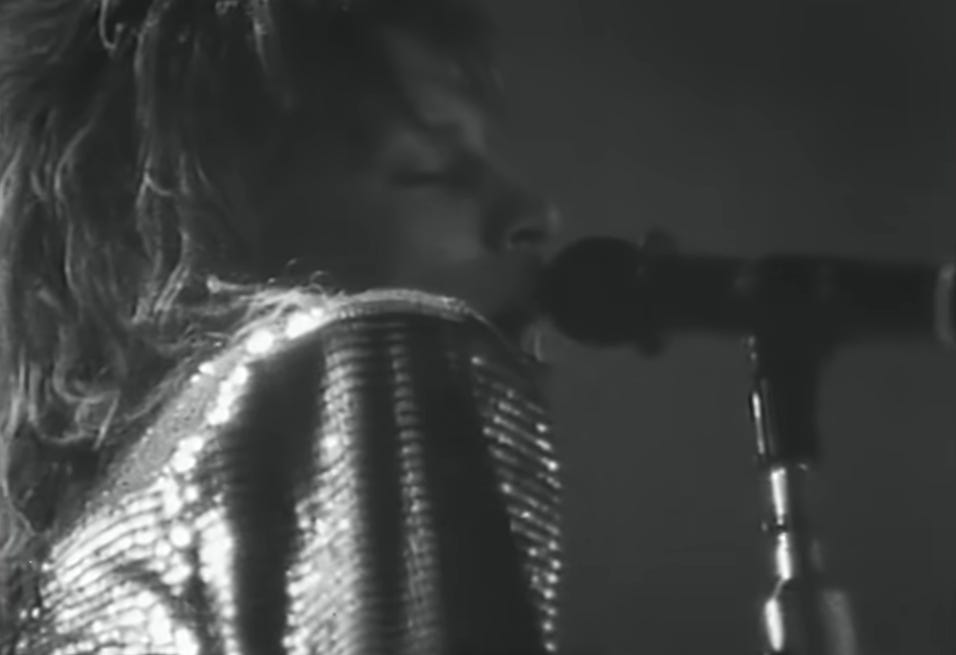
Thin and grey, the dayspring pierces the tour bus sideways, a silver thread filtering through a blind that refuses to fully close. Niamh sits cross-legged on the narrow bunk with tonight’s set list unfolded on her knee, its creases soft from six weeks of folding and unfolding. The heavy hush of the bus is broken: down the aisle, a kettle sighs and clicks off. Above her, a boot drops to the floor like a sudden weight, and a distant phone alarm blares twice before it is finally smothered. Nine songs sit in clean, unchanging rows, frozen since the tour’s first day. Below them, written in a fragile pencil sketch, rests a tenth title, conceived four months ago in this narrow bunk, yet never quite brave enough to make the final print.
She wrote it in the dead of night at a service station, engine cut, the band asleep two curtains down. Rain drummed violently against the roof, warping the forecourt glare into long orange smears on the glass. With a dying biro, she gouged the words into the blank side of an old receipt, her notebook lost beneath a labyrinth of duffel bags three rows back. The moment she finished, she folded the paper tightly, once, twice, and slipped it into her back pocket, anchoring it to her skin.
Too much. Too plain. . She still carries a two year old review like a scar, remembering a line about a singer who bled all over the stage like a confession nobody wanted to hear. On a different tour, she watched a man who believed with every fibre that the room belonged to him, tracking the way the applause grew hollow and thin while his pride stayed whole. Her label’s email arrived just before this run, courteous, calculated, anchoring her to the three singles people bought tickets for. She looked at the screenshot twice, then killed the screen. Nothing about the tenth song. The silence spoke for itself.
Ciardha glances up across the aisle, his eyes lingering on the pencil gripped in her hand, but he says nothing. For four towns straight, she has tucked the paper away before the pencil could run its course. He drops his gaze back to his phone, his thumb tracing a slow, mindless rhythm over a screen he isn’t even reading.
Beside her on the bunk, her phone sits blind, face down against the sheets, the label’s three day old message still awaiting a voice. She picks it up, opens a draft, and types a few empty words about the set list. Then, watching the cursor blink, she erases it letter by letter, putting the phone back down to face the mattress.
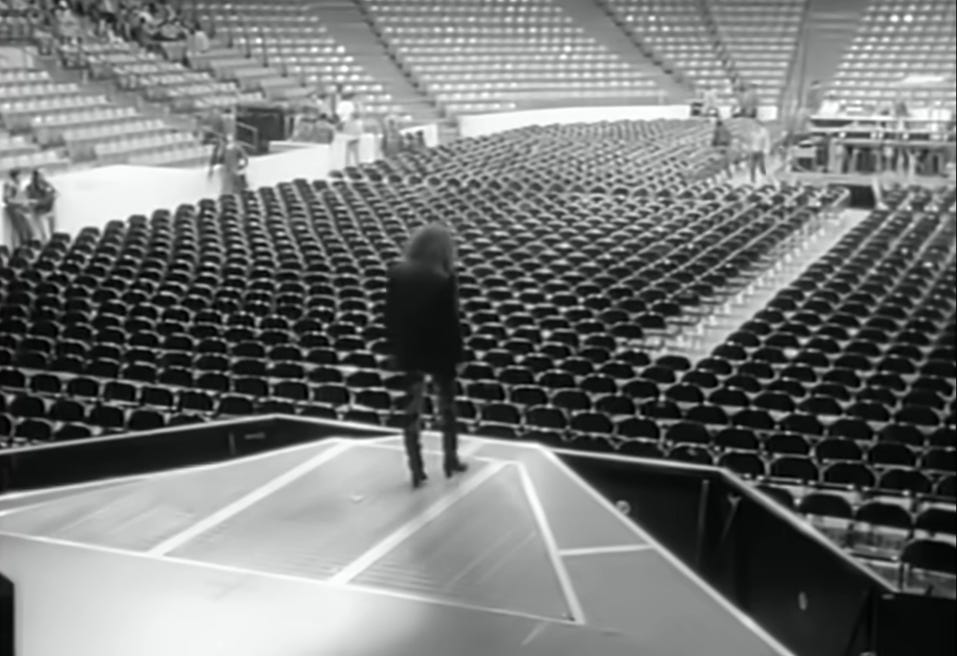
A little after two, the bus pulls into the shadows of the venue’s loading bay. At sound check, the room is drowned in a dim twilight, empty chairs stacked like scaffolding at the back, and dust turning in slow, cinematic circles through a single beam of light over the desk. The tour manager runs through the set list on his clipboard, his pen snapping against the metal clip after every song. When he reaches the ninth slot, his hand hesitates, the biro hanging an inch above the page. She stays silent. He scribbles the new title down and immediately pivots to a lighting cue three songs down, his voice already lost to someone else on his headset. She parts her lips to speak while he’s still standing there, but lets the silence win, and closes them.
She uncaps the pen on the bus, sitting exactly where she’d sat to write it four months ago. No music plays, just a nib on paper. One line through the ninth song. The tenth title takes its place at the summit, written with a hand so heavy the impression wounds the back of the page. She closes it without looking back
The list is folded back along its original creases, tucked tightly into the strap of her guitar case. It stays there, untouched through the backstage quiet and the trek down the corridor. It remains there during the final fifteen minutes before doors, that dead space where there is nothing left to do but re-tape a plectrum to the mic-stand twice.
The corridor smells of gaffer tape and a microwaved dinner from three doors down. Twice, a promoter’s assistant passes by, ticking names off a clipboard that isn’t hers. Ciardha stands by the fire exit, headphones around his neck, tuning quietly by ear. He doesn’t look up as she passes him toward a small mirror propped against a flight case. She doesn’t really look at her reflection; she just stands there for a beat, the guitar strap already resting heavy across her shoulder.
The room goes dark as the house lights drop, a sea of a thousand phone screens dimming out on instinct. Niamh walks out into the quiet. As she hoists her guitar, her fingers instinctively sculpt the opening chord of the old first song, a ghost habit waking up before the rest of her can stop it. She lets the silence swallow it.
A serpent of old doubt uncoils low in her throat, sibilating that an offering this raw might easily be mistaken for arrogance dressed in melody. She has spent too many seasons discovering that the softer path, the safe choice to hold a fraction back, is never softness at all, but merely fear parading in humility’s cloak. Tonight, she chooses instead to let the doubt pass through her. Then, she plays the one written in the rain outside a petrol station.
She sings with absolute surrender, her throat now a narrow gate the sound passes through on its way into the world. Notes fly from her like sparks struck from flint, already burning as they left her lips. The boundary between offering and receiving dissolved, the stage and the crowd vanished into a single field of listening, gOd-touched and unguarded.
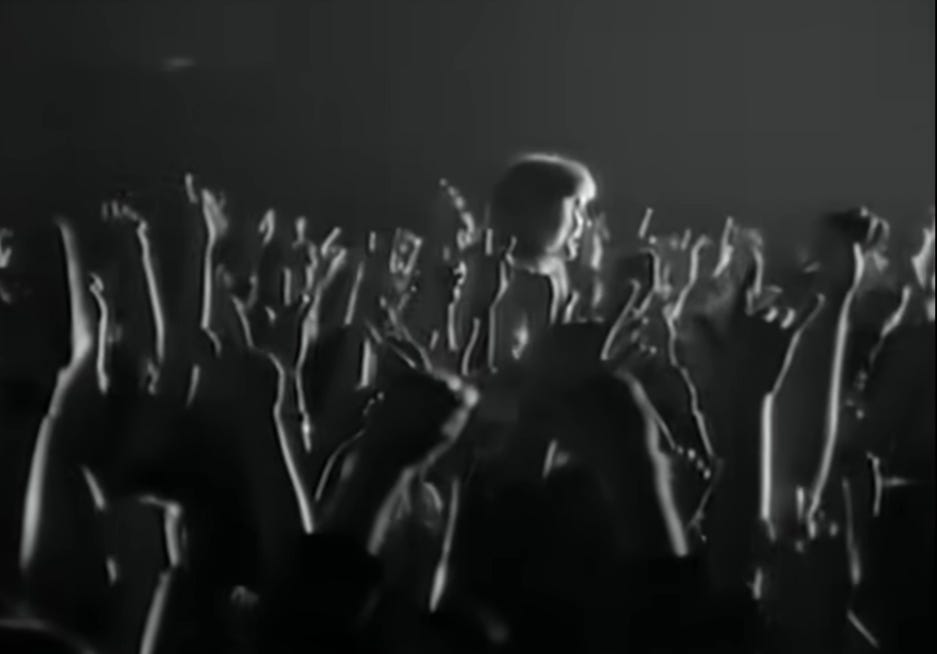
Her voice catches once, early in the second verse. She doesn’t mask it; she doesn’t push through with extra volume. Then, during the second chorus, a woman near the barricade mirrors the words back to her half a beat early, eyes shut tightly, as if she had known the song in another life. Two rows behind her, a man cuts his phone recording short mid song, lowers the screen, and slides it into his pocket
When the last chord finally dissolves into the rafters, she opens her eyes slowly. The room does not applaud immediately. It simply exhales. She feels the old serpent of doubt that had coiled in her throat before the first note finally uncoil for good. The applause that follows, she does not need though it comes, warm and total, rolling toward the stage, though not louder than any other night. She has already received what matters most in the silence just before it: the plain, absolute knowing that she met her own readiness at the exact moment it asked to be met.
The other nine songs run their familiar track. But on the eighth track, the anthem, the crowd near the barrier claims the melody, out singing her until she backs away from the mic stand for four full bars. By the time the final chorus lands, the floor is an ocean of sound, four thousand voices trailing a half-beat in her wake, too alive to care about keeping time.
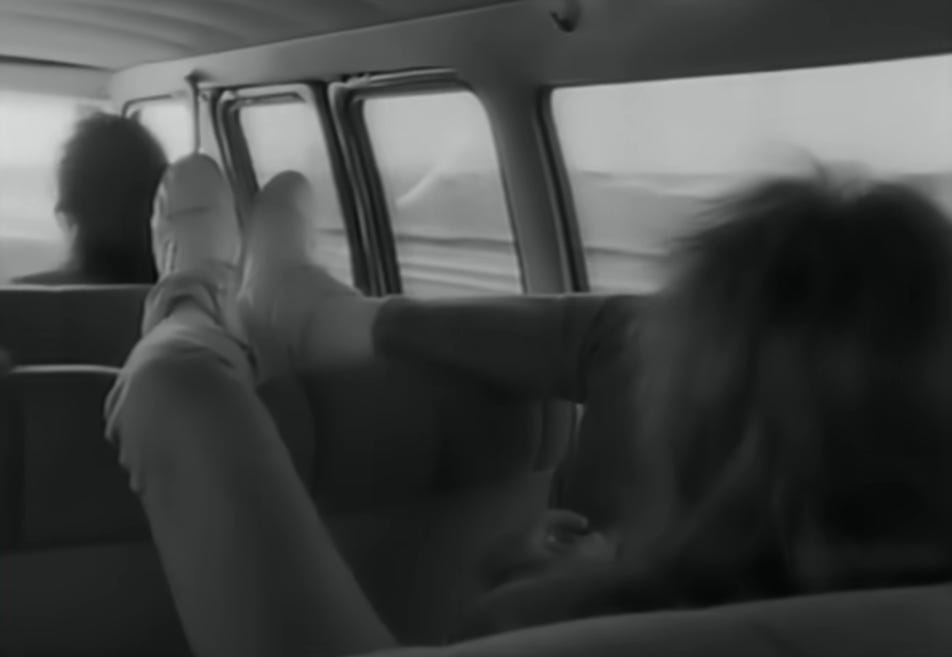
Back on the bus after midnight, the downpour dissolves the window into long orange smears. Niamh slides the folded setlist from the guitar strap. One line slashed through the ninth song, the tenth written over it in solid ink. Across the aisle, Ciardha looks up from his bunk. ‘Good call.’ He returns to his book. She checks her back pocket for the old receipt, soft and worn at the folds, and leaves it there. On the narrow table, her phone blinks once, the label’s text still waiting in the dark, and she buries the screen face down. She pulls the curtain to close out the world, kicks her boots off onto the floorboards, and lies down in her clothes, the drumming on the roof sounding exactly like the rain outside the midnight petrol station.
Completed on the 5th of July 2026 at 09:34 am BST
Music by Max Richter and Bon Jovi
Images from Bon Jovi’s Wanted Dead or Alive


